If you want your first home to feel connected, convenient, and full of character, Dormont deserves a closer look. For many buyers, the challenge is finding a place that offers easier access to Downtown Pittsburgh without giving up neighborhood feel or stretching the budget too far. Dormont stands out because it blends older housing, walkable blocks, and strong transit access in a compact South Hills setting. Let’s dive in.
Why Dormont stands out
Dormont is a small borough with a big neighborhood feel. It covers about 0.76 square miles and had an estimated 7,816 residents in July 2025, which creates the dense, close-knit layout many buyers notice right away.
That compact form is part of its appeal. Borough planning materials describe Dormont as a mostly built-out, dense streetcar suburb, which helps explain why so much of daily life can happen within a relatively small area.
For first-time buyers and city commuters, that matters. You are not just buying a house here. You are often buying into a more connected way of living.
What first-time buyers can expect
Older homes are part of the package
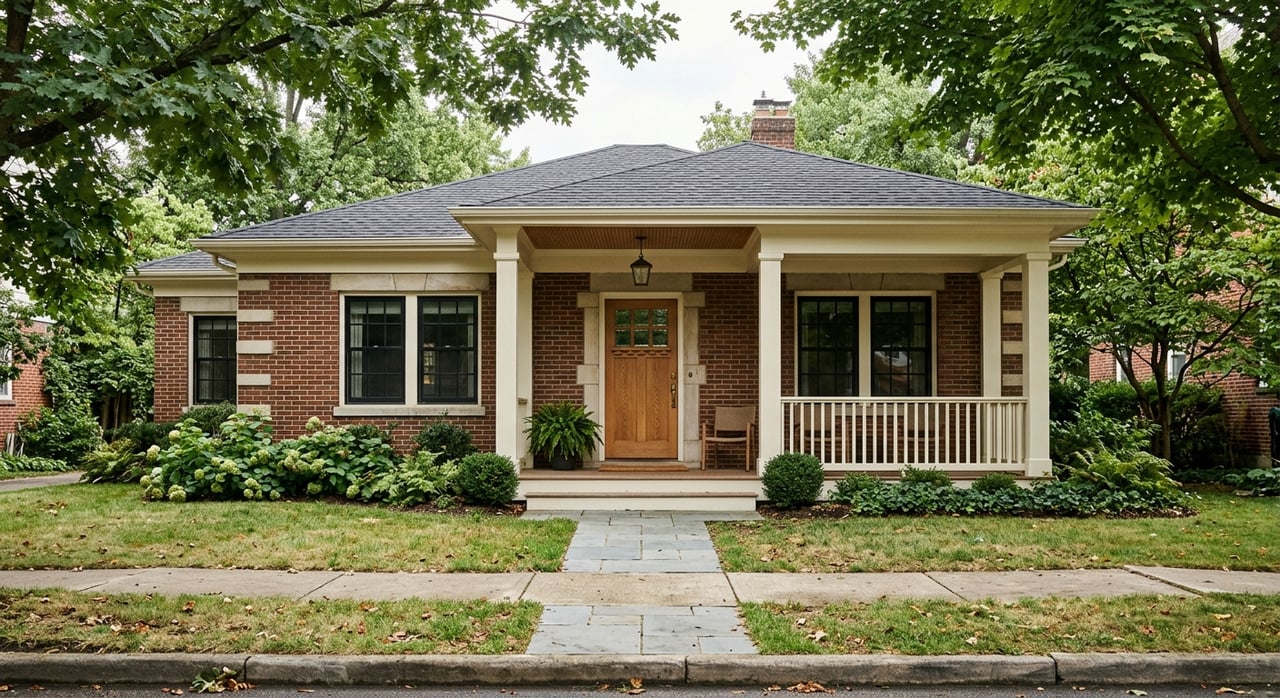
Dormont’s housing stock is established, not brand new. The borough’s 2025 comprehensive plan says about 96% of homes were built before 1980, which gives the community much of its older, settled character.
That means you should expect mature streets, older layouts, and homes with history. It can also mean paying attention to condition, updates, and how much work a property may need before or after closing.
The housing mix is broader
Dormont is not just a single-family market. The borough plan notes that while single-family detached homes make up much of the housing stock, there is also a meaningful share of multi-family buildings and a higher ratio of two- and three-unit dwellings than many other South Hills communities.
For a first-time buyer, that wider mix can create more options. Depending on your goals and budget, you may see detached homes, duplex-style properties, or smaller multifamily opportunities more often than you would in a more uniform suburban market.
The numbers look approachable
Current Census data show a 61.5% owner-occupied housing rate in Dormont. The same data report a median owner-occupied home value of $221,800 and a median gross rent of $1,106.
Those numbers help explain why Dormont often gets attention from buyers making their first purchase. When you compare inner-ring communities near Pittsburgh, an approachable median home value can make the jump from renting to owning feel more realistic.
Why commuters keep Dormont on the list
Light rail is a major advantage
Dormont sits about four miles south of Pittsburgh’s central business district. According to the station-area plan, the light-rail ride downtown is about 20 minutes.
That is a big reason city commuters look here. If you want rail access without living in the city itself, Dormont offers one of the stronger transit setups in the South Hills.
You have multiple transit options
The Red Line runs through the middle of Dormont and serves three stations: Stevenson, Potomac, and Dormont Junction. The borough also identifies two bus routes through the community, Route 41 on West Liberty Avenue and Route 36 on McFarland and Banksville Road.
For many buyers, that kind of access adds flexibility. You may use the T for daily commuting, keep bus routes in mind for backups, or combine transit with driving depending on your schedule.
Park-and-ride can simplify the routine
Dormont also works well for buyers who do not live right next to a station. The borough says Potomac Station and Dormont Junction both have free parking lots, and Dormont Junction is especially suited to parking and riding.
That setup can make everyday commuting easier. It also supports buyers who want neighborhood living with the option to leave the car behind for part of the trip.
Car access still matters here
Transit is a major plus, but Dormont is not transit-only. West Liberty Avenue is the borough’s main north-south corridor and serves as a principal route carrying trips into, out of, and through Dormont toward Downtown Pittsburgh.
That balance is important if your routine includes more than one destination. You may want the shorter rail-based commute while still needing practical car access for work, errands, or appointments around the South Hills.
The lifestyle buyers notice
Walkability is part of daily life
Dormont is often described by the borough as a walking community. Dense streets, a vibrant business district, and nearby recreation all support that reputation.
At the same time, it helps to keep expectations realistic. The borough also notes that hilly terrain can make walking and biking more difficult in some areas, so your experience may depend on exactly where you live and where you are headed.
The business district adds convenience
One of Dormont’s strengths is that local businesses are woven into the borough rather than pushed far outside it. The redevelopment page highlights independent businesses such as Fredo’s Deli and Market, DeWalt’s Health Food, Potomac Bakery, Beyond Bedtime Books, Dormont Florist, Cain’s Saloon, Club Cycle, Dormont Appliance Center, and Dormont News.
The station-area plan also points to local institutions and amenities along West Liberty and Potomac, including the public library, church, post office, and the historic Hollywood Theater. Together, those features support the main-street feel many buyers want.
Public spaces help shape the feel
Dormont’s commercial core has seen streetscape upgrades including permeable pavers, tree planters, and updated street lamps on Potomac Avenue. Those details may seem small, but they contribute to the walkable, established feel buyers often notice when they spend time in the area.
The borough also offers public gathering spaces and recreation. Dormont Park, Beggs Snyder Park, and the Dormont pool all add to the everyday lifestyle, while community programming like the Dormont Street & Music Festival reinforces the borough’s public, community-oriented character.
Practical fit for first-time buyers
Stable residency can be a good sign
Census data show that 87.9% of residents lived in the same house one year earlier. That suggests relatively stable residency compared with a highly transient market.
For buyers, stability can matter because it often supports a more settled neighborhood feel. It does not guarantee any one block will feel the same, but it is one reason Dormont may appeal to buyers looking for consistency.
Inventory tends to reflect a built-out borough
Dormont is largely built out, and the borough plan says future housing growth is likely to come from infill, retrofitting, and redevelopment rather than large new subdivisions. In practical terms, that means you are more likely to shop existing homes than new-construction neighborhoods.
That can be a plus if you value character and location. It can be a drawback if your priority is newer construction, highly open floor plans, or larger-lot suburban form.
You may need a strategy
Because the borough offers a mix of older homes, smaller multifamily properties, and established residential blocks, two homes at a similar price point can feel very different. One may be updated and move-in ready, while another may offer potential but need more planning.
This is where local guidance becomes especially useful. A clear strategy can help you weigh condition, commute, block-by-block feel, and long-term fit instead of focusing only on the list price.
How Dormont compares to nearby options
Dormont stands apart from many inner-ring South Hills communities because it keeps a more urban, transit-oriented pattern. Borough planning materials specifically note its higher ratio of two- and three-unit dwellings than many other South Hills communities.
That broader housing mix can open doors for buyers who want flexibility. It also means Dormont may feel different from communities that lean more heavily toward single-product suburban housing.
If you want a neighborhood feel, a shorter ride to Downtown Pittsburgh, and more housing variety, Dormont is a strong candidate. If you want larger lots or a stronger focus on newer construction, you may find the borough’s compact, established pattern more limiting.
Is Dormont a smart match for you?
Dormont tends to appeal most to buyers who value convenience, character, and connection. If you want an established borough with transit access, local businesses, and a housing mix that can feel more approachable than some nearby inner-ring options, it is easy to see the draw.
The key is knowing what you are signing up for. Older homes, a built-out setting, and hilly streets are all part of the picture, just like the T access, walkable business district, and shorter trip downtown.
If you are weighing Dormont against other South Hills communities, working with someone who understands the tradeoffs can make the process much clearer. If you want help comparing neighborhoods, evaluating older homes, or building a smart plan for your first purchase or commute-friendly move, Jen Schalk is here to help.
FAQs
Why do first-time buyers consider Dormont, PA?
- Dormont appeals to many first-time buyers because it offers an established housing stock, a broader mix of property types, and a median owner-occupied home value of $221,800 based on current Census data.
Why do city commuters look at Dormont?
- Commuters often look at Dormont because it sits about four miles south of Downtown Pittsburgh, offers about a 20-minute light-rail ride downtown, and includes three Red Line stations in the borough.
What kind of homes are common in Dormont?
- Buyers in Dormont should expect mostly older homes, with the borough reporting that about 96% of houses were built before 1980, along with a mix of single-family homes, multi-family buildings, and two- and three-unit dwellings.
Is Dormont a walkable community?
- The borough often describes Dormont as a walking community with dense streets, a vibrant business district, and nearby parks and recreation, though some areas can feel more challenging because of the hilly terrain.
What transit options are available in Dormont?
- Dormont has Red Line light-rail service at Stevenson, Potomac, and Dormont Junction, plus bus service on Route 41 and Route 36, along with free parking lots at Potomac Station and Dormont Junction for park-and-ride use.
What schools serve Dormont, PA?
- The Keystone Oaks School District lists Dormont Elementary School, Keystone Oaks Middle School, and Keystone Oaks High School among its schools.