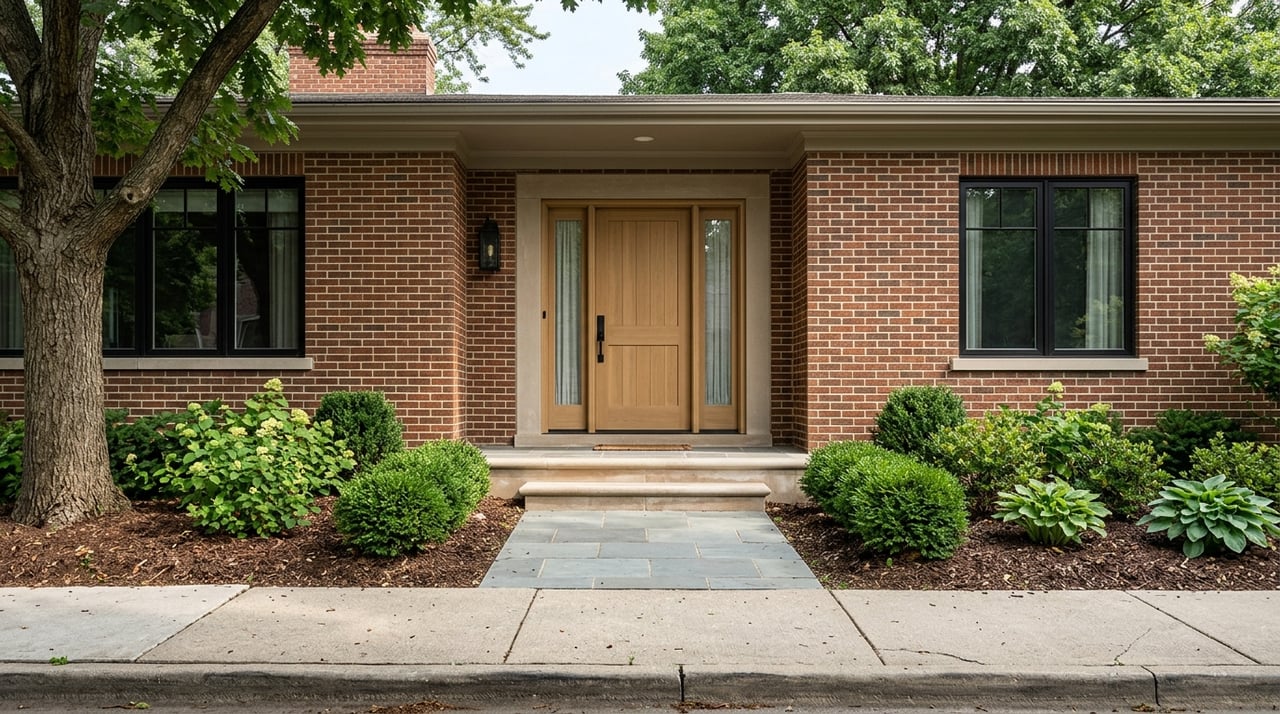
Looking for a suburb where you can grab coffee, run errands, enjoy a park, and still feel connected to the rest of the South Hills without spending your whole day in the car? That is a big part of what draws buyers to Mt. Lebanon. If you are considering a move here, understanding how the township’s walkable village lifestyle works day to day can help you decide whether it matches the way you want to live. Let’s dive in.
What gives Mt. Lebanon its village feel?
Mt. Lebanon stands out because it feels connected and compact. The township covers about 6.08 square miles and had an estimated 32,917 residents in 2024, which helps keep many daily destinations relatively close together.
That close-knit layout is not accidental. Mt. Lebanon’s history traces back to streetcar service beginning in 1901, with early subdivisions following soon after and township incorporation in 1912. Because it developed in a streetcar-suburb pattern, many of its neighborhoods and business districts still reflect a more walkable design than later car-centered suburbs.
The township also treats walkability as an ongoing priority. Its transportation approach connects roads, sidewalks, transit, and parking as one system, and its Complete Streets policy supports safer, more comfortable travel for people walking, biking, and using transit.
There is still room for improvement, and the township acknowledges that. Mt. Lebanon’s sidewalk expansion policy states that 68% of municipally maintained streets had sidewalks, with priority areas near parks, business districts, transit stops, and other key destinations.
Uptown brings the main street experience
If you want the clearest example of Mt. Lebanon’s village lifestyle, start with Uptown along Washington Road. This is the township’s central business district and its most recognizable main street setting.
According to the municipality, Uptown includes 41 commercial properties between 733 and 600 Washington Road. The district is home to 182 businesses, 72 storefronts, and about an 8% storefront vacancy rate, which points to an active commercial core with a strong local presence.
For everyday life, that matters. You have a mix of restaurants, retail, and seasonal events in one concentrated area, plus a weekly summertime farmers’ market that adds to the district’s rhythm and appeal.
Uptown is also being actively improved. The township’s Vibrant Uptown project is a multi-year streetscape and placemaking effort focused on sidewalks, lighting, accessibility, and public spaces, all of which support a better pedestrian experience.
Why Uptown works for daily life
A walkable district only goes so far if it is hard to access. Uptown benefits from bus and light-rail service, and the township notes that it offers convenient access to downtown Pittsburgh as well as destinations like the Galleria and South Hills Village.
At the same time, it is not an all-or-nothing walking environment. The area includes garages, surface lots, and on-street parking, which makes it practical whether you are walking over from nearby streets or driving in from another part of the township.
Beverly Road offers a smaller-scale option
Not every buyer wants a larger business district feel. Beverly Road gives Mt. Lebanon another kind of walkable experience, one that feels a little more neighborhood-scaled.
The township describes Beverly Road as a corridor running from Overlook Drive to roughly Ralston Place. It includes restaurants, healthy-lifestyle shops, gift shops, a dry cleaner, a hair salon, and other daily-use services.
That mix is a big reason Beverly Road is often part of the Mt. Lebanon conversation. It supports the kind of lifestyle where you can step out for a quick errand or a casual stop without needing to plan a full driving trip.
What makes Beverly Road appealing
Mt. Lebanon specifically calls Beverly Road one of its most walkable neighborhoods. For many buyers, that small detail says a lot about how the area functions in real life.
Parking is also straightforward. The township notes that Beverly Road has on-street metered parking and a surface lot, so even this smaller business district keeps convenience in mind.
Transit supports the lifestyle
One reason Mt. Lebanon feels different from many suburbs is that public transportation is part of normal daily living. You are not just relying on roads and parking lots to get everywhere.
Pittsburgh Regional Transit lists Mt. Lebanon as one of its accessible high-platform light-rail stations. The Mt. Lebanon park-and-ride lot includes 24 spaces, has no parking fee, and offers peak-hour service about every 12 minutes.
For buyers who commute or simply like having options, that can be a meaningful advantage. It makes access to downtown Pittsburgh feel more built into the community rather than like a separate logistical challenge.
Parking is still part of the picture
Walkability does not mean giving up your car. In Mt. Lebanon, the appeal is really about having more than one workable way to get around.
The municipality says it provides more than 1,000 public parking spaces in and around the business districts. That includes two multilevel garages at the ends of Washington Road, along with metered on-street parking and surface lots.
This balance is part of what makes the township practical. You can enjoy a more walkable setting while still having parking available when you need it.
Parks add everyday breathing room
A village lifestyle is not only about shops and sidewalks. Green space plays a big role in how a place feels, and Mt. Lebanon’s park system adds a lot to the day-to-day experience.
Mt. Lebanon Park, often called Main Park, is the flagship park in the township’s 16-park system. It includes athletic fields, picnic pavilions, courts, a playground, a pool, and indoor ice rinks, giving residents a wide range of recreational options in one major hub.
Bird Park offers a different feel. It includes a stream, trails, and wooded surroundings, which creates a quieter natural setting within the township.
Twin Hills Trails Park adds another trail-focused option, including nature trails and leashed-dog access. Together, these spaces help reinforce the idea that in Mt. Lebanon, access to outdoor areas is part of daily living, not just a weekend extra.
Housing fits the established character
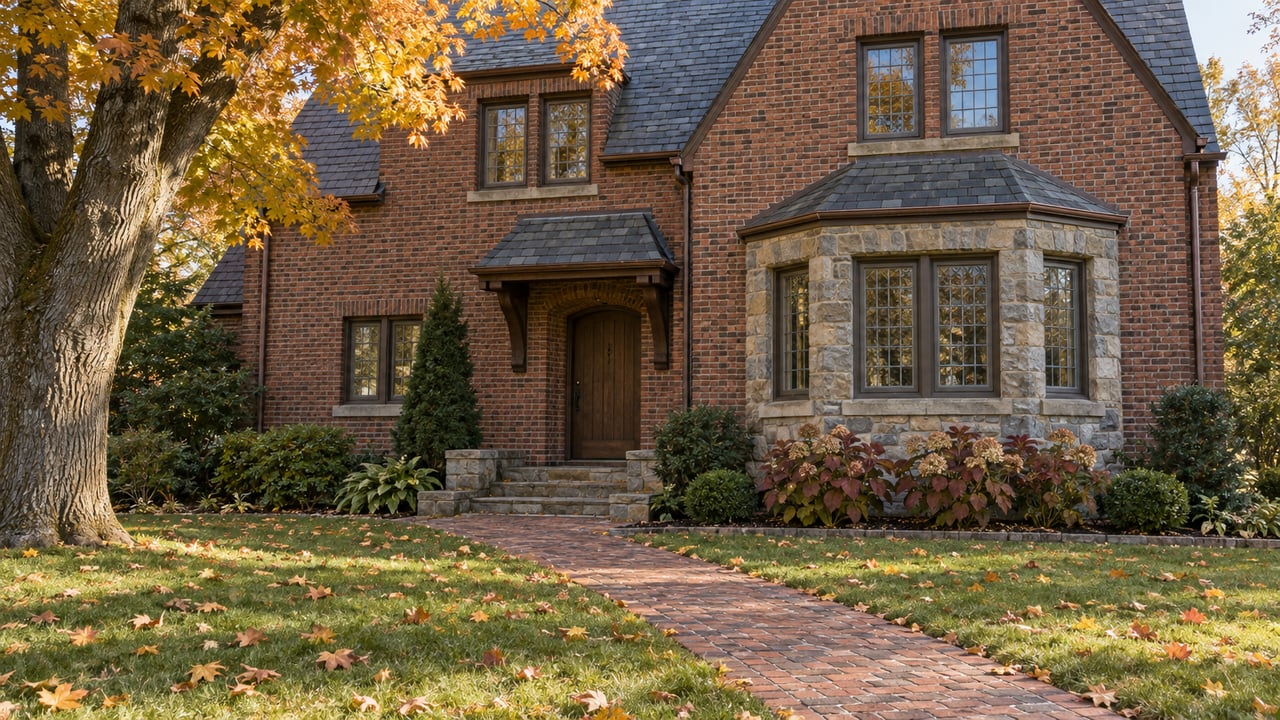
Mt. Lebanon’s walkable village lifestyle is closely tied to its housing stock. The township has a National Register Historic District of 4,400 properties, established in 2014, and that history is visible in many of the homes buyers notice first.
According to the township’s design guidance, major historic styles include Foursquare, Colonial Revival, Tudor and French Eclectic forms, and Arts and Crafts or Craftsman homes. Later neighborhoods also include ranch, split-level, modern, and postmodern houses, which gives buyers a broad range of home styles.
That variety is one of Mt. Lebanon’s strengths. If you are drawn to established architecture, mature streetscapes, and homes with distinct character, the township offers options that feel very different from newer subdivision inventory.
What buyers should keep in mind
Historic and established homes can come with different expectations. Mt. Lebanon’s preservation materials note that older homes can be harder to modernize, even though thoughtful maintenance, repairs, and additions can help preserve character and support value.
That does not make these homes less appealing. It simply means your search may benefit from a more careful look at condition, updates, renovation potential, and long-term fit.
What the market looks like now
If you are weighing lifestyle against budget, current market context matters. Realtor.com’s latest Mt. Lebanon snapshot showed 109 homes for sale, a median listing price of $379.5K, and a median 33 days on market.
U.S. Census QuickFacts places the median value of owner-occupied housing at $378,300. Together, those numbers suggest that current median pricing snapshots sit around the upper-$300,000s.
Of course, actual pricing varies by home style, condition, location within the township, and level of updating. In a place with both historic character and a wide mix of housing types, those details can shape value in a big way.
Why buyers keep Mt. Lebanon on the list
For many South Hills buyers, Mt. Lebanon offers a combination that can be hard to find in one place. You get a compact streetcar-era layout, active business districts, meaningful transit access, established housing character, and a strong park system.
Just as important, the township blends walkability with practicality. It supports walking and transit in a real way, but it also keeps parking and everyday convenience in the picture.
If you are looking for a suburb that feels connected, established, and easy to live in, Mt. Lebanon is worth a close look. And if you want help sorting through the trade-offs between home style, location, updates, and lifestyle fit, working with a local advisor can make the search much clearer.
Whether you are relocating, moving up, or trying to find the right South Hills neighborhood for your next chapter, Jen Schalk offers hands-on guidance rooted in local market knowledge and a thoughtful, detail-driven approach.
FAQs
What makes Mt. Lebanon walkable compared with other suburbs?
- Mt. Lebanon’s compact 6.08-square-mile layout, streetcar-era development pattern, business districts, transit access, and sidewalk planning all contribute to a more walkable day-to-day experience.
What are the main walkable business districts in Mt. Lebanon?
- The two main walkable commercial areas highlighted by the township are Uptown on Washington Road and the Beverly Road business district.
What is Uptown in Mt. Lebanon known for?
- Uptown is Mt. Lebanon’s central business district, with restaurants, retail, seasonal festivals, a summertime farmers’ market, transit access, and ongoing streetscape improvements.
Does Mt. Lebanon have public transit access?
- Yes. Pittsburgh Regional Transit lists Mt. Lebanon as an accessible high-platform light-rail station, and the local park-and-ride lot has 24 free spaces with peak-hour service about every 12 minutes.
Is parking available in Mt. Lebanon’s business districts?
- Yes. The township says there are more than 1,000 public parking spaces in and around the business districts, including garages, surface lots, and metered on-street spaces.
What types of homes are common in Mt. Lebanon?
- Mt. Lebanon includes a mix of historic and later-built homes, including Foursquare, Colonial Revival, Tudor, French Eclectic, Craftsman, ranch, split-level, modern, and postmodern styles.
What is the current Mt. Lebanon housing market like?
- Recent market snapshots cited in the research report show 109 homes for sale, a median listing price of $379.5K, and a median of 33 days on market, with owner-occupied median home value around $378,300.